
Debunking common gambling myths What you need to know
Understanding the Nature of Chance in Gambling
One of the most pervasive myths surrounding gambling is that it is a skill-based activity where practice can lead to improved outcomes. In reality, many games, particularly slot machines and lotteries, are purely chance-based. The results of these games are determined by random number generators or similar technologies, ensuring that each outcome is independent of the last. This is why it’s crucial to approach games with an understanding of their nature and to view gambling primarily as entertainment. For more detailed insights, you can visit https://zoccercasinos.co/.
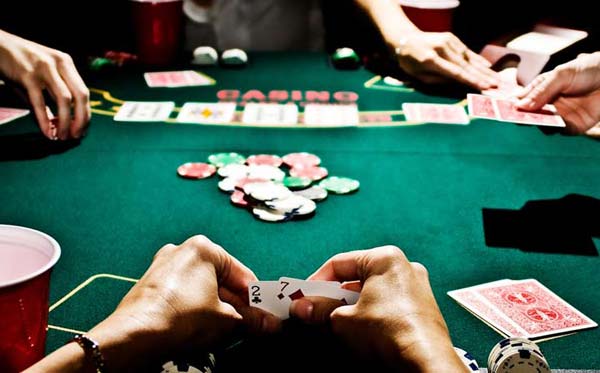
Another common misconception is that certain games have better odds than others. While this may be true in a comparative sense, many players mistakenly believe they can significantly influence their odds by employing specific strategies. For instance, while poker involves an element of skill and strategy, other games, such as roulette, operate entirely on chance. Understanding these nuances is crucial for responsible gambling, as it allows players to manage their expectations and enjoyment effectively.
Lastly, the belief in “hot” and “cold” streaks is often misleading. Many gamblers think that if a slot machine hasn’t paid out in a while, it is due for a win. This misconception can lead to chasing losses and increased gambling behavior. In reality, the odds remain the same regardless of previous outcomes, and players should be cautious about attributing patterns to random events.
The Illusion of Control
Many gamblers harbor the belief that they can control outcomes through various rituals or behaviors. This psychological phenomenon, known as illusion of control, can lead individuals to believe that specific actions, such as wearing a lucky shirt or performing a certain gesture, will affect their luck. Research indicates that such behaviors are more about psychological comfort than actual influence on results. Acknowledging that outcomes are random helps in curbing these behaviors, promoting a healthier relationship with gambling.
Furthermore, some players believe they can predict the outcomes based on patterns they have observed. For example, in games like blackjack, players may try to count cards, thinking it gives them an edge. While card counting can improve a player’s odds in certain scenarios, it does not guarantee wins and can lead to significant losses if not executed perfectly. Emphasizing the randomness of gambling outcomes is essential in dispelling the myth that skill can always triumph over chance.
The illusion of control can also lead to overconfidence, where players increase their bets based on past successes. This overconfidence can quickly spiral into gambling addiction, as individuals chase the high of previous wins. It’s vital for gamblers to recognize the limits of their control and to prioritize responsible gaming practices to mitigate the risks associated with this false sense of security.
The Role of Luck vs. Skill
The debate surrounding luck versus skill is often contentious among gambling enthusiasts. Many believe that skill-based games, such as poker or sports betting, offer a higher chance of success than purely luck-based games like slots or roulette. While skill can undoubtedly influence outcomes in certain games, such as poker, where strategy and psychology play significant roles, luck remains a pivotal factor. Every player, regardless of skill level, is subject to the whims of chance during gameplay.
Another aspect to consider is that skill can only take a player so far. Even the most seasoned poker player cannot control how their cards will play out or how their opponents will act. This unpredictability reinforces the importance of approaching gambling with realistic expectations, recognizing that both luck and skill coexist. Players should also be aware of the house edge, which ensures that the casino maintains an advantage in the long run, regardless of the player’s expertise.
Ultimately, acknowledging the balance between luck and skill can lead to a more enjoyable gambling experience. Players should focus on honing their skills while also understanding that fortune can be capricious. Embracing the unpredictable nature of gambling can help maintain a healthy perspective, reducing the chances of developing problematic gambling behaviors.
The Impact of Gambling Myths on Players’ Behavior
The persistence of gambling myths can have a profound impact on players’ behavior and decision-making processes. For instance, the belief that one can win back losses often leads to chasing losses, which can exacerbate financial troubles and lead to more significant losses. This mindset can trap individuals in a cycle of desperation and overindulgence, making it crucial to combat these myths through education and awareness.
Furthermore, myths surrounding gambling can contribute to stigma and isolation. Players who believe they can control their outcomes may avoid seeking help when they encounter problems, fearing judgment from others. Breaking down these myths can create a more supportive environment, encouraging individuals to seek assistance if they find themselves struggling with gambling addiction. Education initiatives that provide accurate information can empower players to make informed choices.
Additionally, understanding these myths can promote responsible gambling practices. By debunking misconceptions, players can approach gambling with a balanced perspective, recognizing both the entertainment value and the risks involved. Implementing measures like setting limits and taking breaks can enhance the overall gambling experience, encouraging a healthier relationship with games of chance.

Conclusion and Resources for Responsible Gambling
In conclusion, debunking common gambling myths is essential for fostering a responsible and informed gaming culture. Players must recognize that gambling is fundamentally based on chance and that skill can only mitigate risks to a certain extent. A clear understanding of these myths can help create a safer environment for both casual players and those who may be struggling with gambling-related issues.
For those seeking to learn more about responsible gambling practices, resources are widely available online. Many organizations focus on providing support and education, helping individuals navigate their gaming experiences in a safe manner. Gamblers should take advantage of these resources to enhance their knowledge and ensure their enjoyment of games remains a positive experience.